Introduction – Explain need and benefits
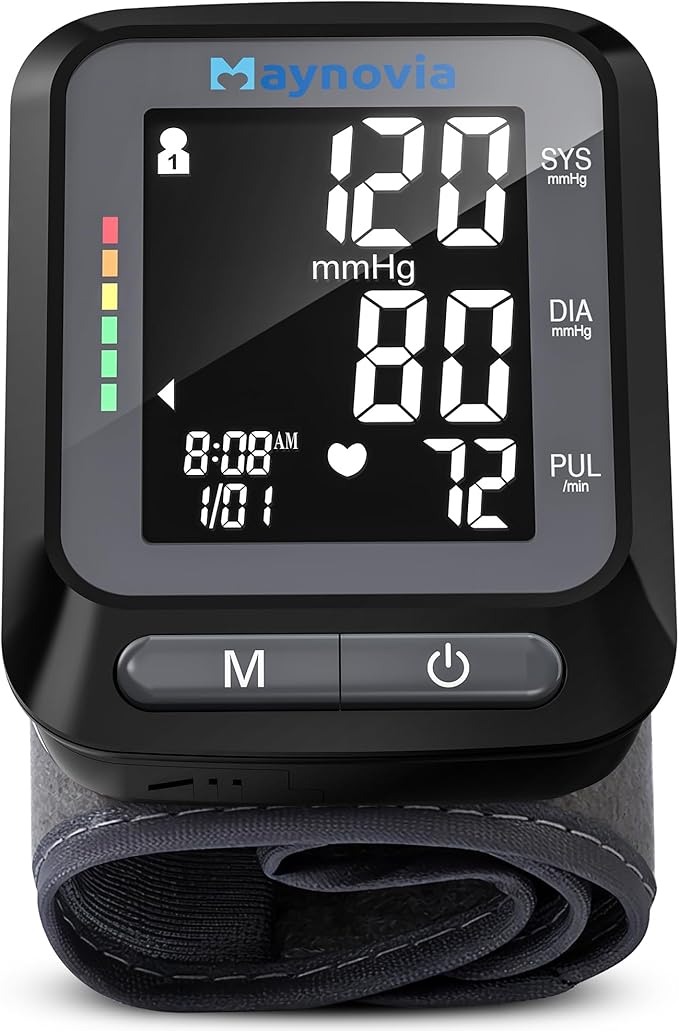
As a busy parent or homeowner, keeping track of your health can sometimes take a backseat. However, monitoring essential health metrics like blood pressure is crucial, especially for those with young children or older family members. The Wrist Blood Pressure Monitor is a convenient solution for maintaining your health without needing to visit the doctor's office constantly. Its compact design is perfect for on-the-go monitoring, making it an ideal choice for families with hectic schedules. Plus, the automatic digital display and memory function make it easy to keep a log of your readings.
Pros & Cons – Bullet lists using - for each item
Pros:
- Compact and Portable: Great for a household with limited space or for those who travel.
- Easy-to-read Display: Large backlit monitor is perfect for clear readings even in dim lighting.
- Memory Storage: Tracks up to 120 readings for two different users—a great feature for couples or roommates.
- Adjustable Cuff: Fits wrists from 5.3” to 8.5”, ensuring comfort for various users.
- Quick Measurement: Delivers results in a concise time frame.
Cons:
- Battery Operated: Requires regular battery changes, which might be a hassle for some.
- Not as Accurate as Upper Arm Monitors: Wrist monitors can sometimes provide less accurate readings than their upper-arm counterparts.
- Limited to Wrist Measurement: Those who prefer or require upper-arm reading for complete confidence may need additional equipment.
Comparison – Brief comparison
Compared to traditional upper-arm blood pressure monitors, the wrist monitor stands out for its convenience and portability. It’s a fantastic fit if you live in an apartment where storage and counter space are limited. In contrast, upper-arm models are generally seen as more accurate by medical professionals. If ease of use and mobility are your priorities rather than ultra-precise accuracy, this wrist monitor serves as an ideal alternative.
User Tips / Usage Guide
- Sit Still: Ensure you’re in a relaxed seated position with feet flat on the floor for the most accurate reading.
- Consistent Timing: Take your blood pressure at the same time each day for consistent tracking.
- Correct Position: Place the cuff on your wrist at heart level while taking your measurement.
- Check Batteries: Regularly ensure that the batteries are charged to prevent unexpected shutdowns.
- Avoid Caffeine and Exercise: Wait at least 30 minutes after having caffeine or exercising before taking your measurement.
- Stay Quiet: Avoid speaking or moving during measurements to maintain result integrity.
- Note Irregularities: Keep a log of readings and take note of any irregular patterns to share with your healthcare provider.
- Adjust Cuff Properly: Ensure proper snugness without being too tight to guarantee comfortable use.
Conclusion – Buyer recommendation
If you’re in the market for a blood pressure monitor that’s simple to use and fits effortlessly into your daily routine, the Wrist Blood Pressure Monitor could be just what you need. While it's not the best choice if ultra-precision is your utmost concern, its ease of use, portability, and handy features make it incredibly convenient for everyday monitoring. Whether you're a busy parent needing quick health check-ups in the midst of a morning rush, or you're residing in a space-constrained home, this product brings tremendous value and peace of mind.
Disclaimer: This post contains affiliate links. If you purchase through these links, we may earn a small commission at no extra cost to you.